

E-mail us
Table of Content
Nickel Alloy 201 pipes come from a low‑carbon, almost pure nickel grade that is made for harsh plant conditions where metals usually struggle over time. These pipes handle chemical exposure extremely well. In real operating plants, where heat shifts, pressure moves, and chemical strength changes through the process line, the material keeps its shape and strength in a steady and predictable way.
The metal itself is mostly nickel, with very small and tightly controlled amounts of iron, carbon, manganese, silicon, copper and sulphur sitting next to the main element to help stability during processing and fabrication. The low carbon level matters a lot here. It helps the structure stay stable when the pipe runs for long hours at higher temperatures, which is common in continuous chemical production lines where shutdowns cost serious money.

Physically, Nickel 201 sits in a strong middle ground between strength and flexibility, which means it can take stress without cracking while still being shaped during fabrication or site modification work. The metal stays reliable across wide temperature swings. When systems move from cold start‑up conditions to full operating heat, or when pipes carry hot caustic media for long durations, the alloy keeps performing without sudden property changes.
In working plants, UNS N02201 pipes are often chosen for caustic alkali handling, salt production equipment, offshore modules and reactor systems where fluorine reactions take place with hydrocarbons under controlled conditions. Corrosion resistance is the main reason plants select it. When sodium hydroxide runs above 300°F through transfer lines or storage circulation loops, the material keeps resisting attack while keeping the internal surface clean enough for long service cycles.
Supply sizes usually go up to about 13,500 mm in length, and diameters normally start from 15 NB and move up towards 150 NB depending on plant layout or flow design needs. Custom sizes are often required. Large projects sometimes request non‑standard shapes or thickness combinations when space constraints or pressure ratings change during final engineering stages, and most established mills can support those requirements.
Production methods normally include seamless pipe manufacturing from solid billets, while welded pipes are formed from rolled plate sections when larger diameters are required or when project budgets need tighter control during procurement phases. Manufacturing route changes performance slightly. Seamless pipes usually handle pressure stress better because the grain flow stays continuous along the pipe body, which helps when the line runs under constant mechanical or thermal loading.
Before dispatch, each pipe normally passes through mechanical testing, dimensional checks and surface inspection processes to confirm the pipe matches ordered specification tolerances and international manufacturing codes. Quality checks happen at multiple stages. Sometimes additional testing is added depending on project specifications, especially when pipes are going into critical chemical units where downtime can affect whole production blocks.
For transport, pipes are usually packed using steel strip bundles, hardwood export boxes or protective wrapping materials depending on shipment distance and handling conditions across ports or inland logistics routes. Transit damage must be avoided completely. Good packaging helps prevent moisture exposure, handling dents and contamination during long transport cycles, especially when shipments move across different climate zones.
Nickel Alloy 201 pipes support long service life in chemical, marine and high‑temperature industrial systems where replacement cycles are expensive and plant shutdown planning is complex. Long term performance matters most here. When the right material grade is selected early in design, it helps plants run longer between maintenance windows and keeps overall lifecycle cost under control.
Best Manufacturer and Supplier of Nickel 201 seamless pipe
| Specifications | ASTM B 167 ASME SB 167 / ASTM B 829 ASME SB 829 / ASTM B 517 ASME SB 517 | |
| Nickel 201 Seamless Pipe size | 4 to 219mm W. T.: 0.5 to 20mm | |
| Nickel 201 Welded Pipe size |
|
|
| Nickel 201 EFW Pipe size | 5.0 mm – 1219.2 mm | |
| Specialized in | Large Diameter Size | |
| Alloy 201 Pipe Schedule | SCH5, SCH10, SCH40, STD, SCH80, SCH160 | |
| Nickel Alloy 201 Pipe Finish | Polished, AP (Annealed & Pickled), BA (Bright & Annealed), MF | |
| Nickel 201 Pipe Form | Round, Square, Hollow, Rectangular, Hydraulic, Straight Pipes Etc. | |
| Alloy 201 Pipe Length | Single Random, Double Random & Cut Length. | |
| End | Plain End, Beveled End, Treaded. | |
| Marking | All Nickel Alloy 201 Pipes are marked as follows: Standard, Grade, OD, Thickness, Length, Heat No. (Or according to the customer’s request.) | |
| Material Test Certificates (MTC) | Material Test Certificates (MTC) as per EN 10204 3.1 and EN 10204 3.2 | |
| We can also cut, thread, and groove Nickel 201 Pipes to meet your specifications. | ||
Nickel 201 Pipe Pressure Rating
| Pipe O.D. (in.) |
Wall Thickness of Pipe (inches) | |||||||
| .028 | .035 | .049 | .065 | .083 | .095 | .109 | .120 | |
| Working Pressure (psig) | ||||||||
| 1/8 | 7900 | 10100 | ||||||
| 1/4 | 3700 | 4800 | 7000 | 9500 | ||||
| 5/16 | 3700 | 5400 | 7300 | |||||
| 3/8 | 3100 | 4400 | 6100 | |||||
| 1/2 | 2300 | 3200 | 4400 | |||||
| 3/4 | 2200 | 3000 | 4000 | 4600 | ||||
| 1 | 2200 | 2900 | 3400 | 3900 | 4300 | |||
| Price of Nickel 201 Pipe in India | PACK QTY | PRICE |
| Price of Alloy 201 Pipe 3.17mm OD x 0.51mm Thick x 1000mm Length | 15 | £818.00 |
| Price of Alloy 201 Pipe 3.17mm OD x 0.51mm Thick x 2000mm Length | 1 | £128.00 |
| Price of Alloy 201 Pipe 3.17mm OD x 0.51mm Thick x 2000mm Length | 3 | £306.00 |

Nickel 201 Seamless Pipe
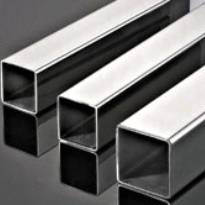
Nickel 201 Square Pipe
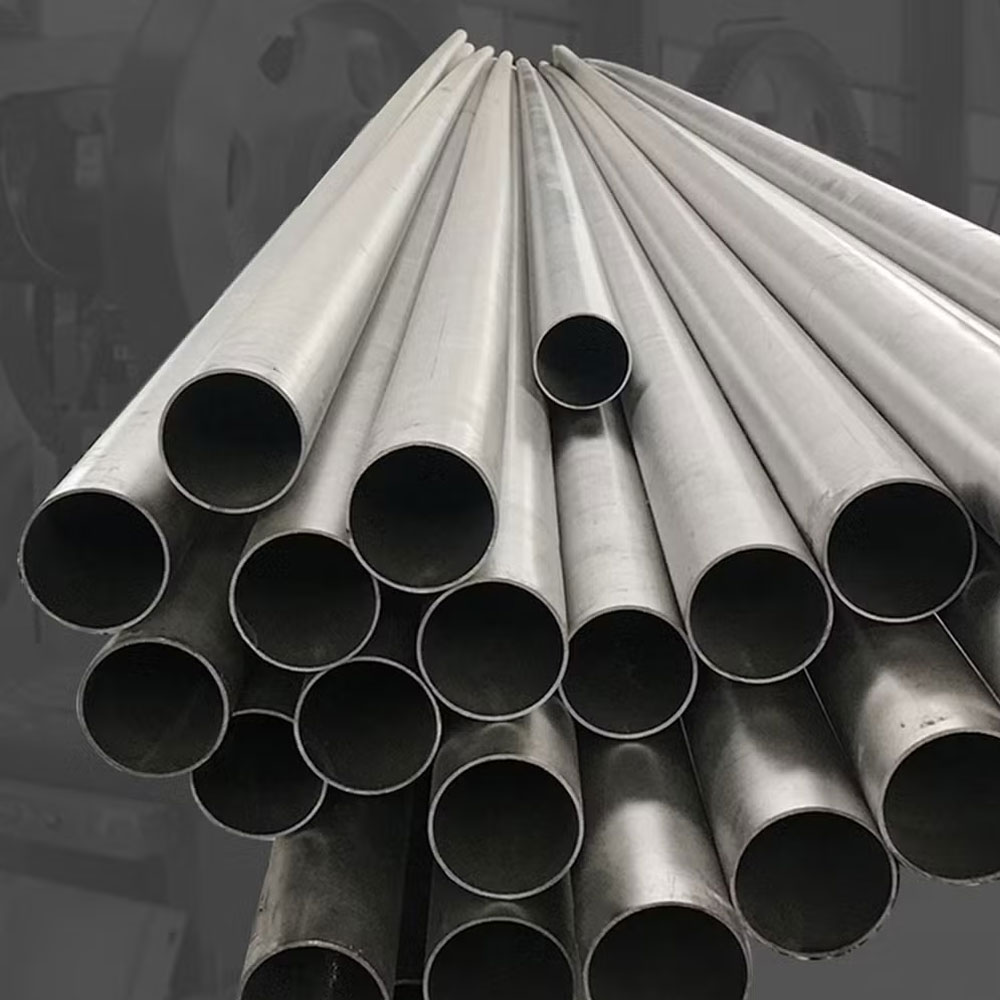
Nickel 201 Clad Pipe
Nickel 201 Welded Pipe

Nickel 201 Exhaust Pipe
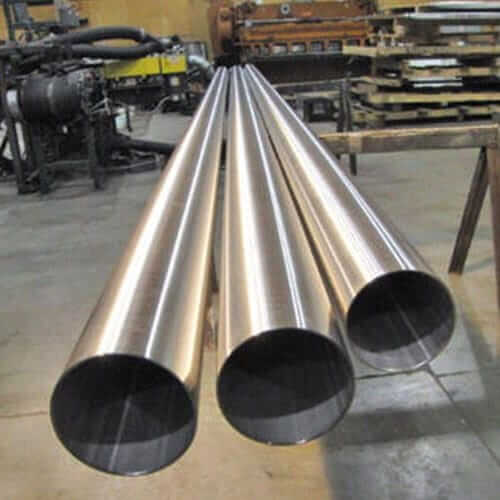
Nickel 201 Pipe material

Nickel 201 Flex Pipe

Nickel 201 Lined Pipe
Message Preston Pipes and Alloys for the best rate on 201 Nickel Alloy Pipes
| Ni | C | Mo | Mn | Si | Fe | P | S | Cu | Cr |
| Balance | 0.15 max | – | 0.35 max | 0.35 max | 0.40 max | – | 0.01 max | 0.25 max | – |
| Density | Melting Point | Yield Strength (0.2%Offset) | Tensile Strength | Elongation |
| 8.9 g/cm3 | 1446 °C (2635 °F) | Psi – 21500 , MPa – 148 | Psi – 67000 , MPa – 462 | 45 % |
| UNS | WERKSTOFF NR. | AFNOR | EN | JIS | BS | GOST |
| N02201 | 2.4068 | – | LC-Ni 99 | NW 2201 | NA 12 | НП-2 |

Nickel Alloy 201 handles caustic soda well because the metal is a very pure and resists chemical attack from strong alkalis, even when temperatures rise during continuous processing. The surface stays stable. That stability helps reduce contamination risk and slows down corrosion inside pipelines carrying sodium hydroxide or similar chemicals.
Nickel 201 stays stable in reducing atmospheres where oxygen levels stay low and chemical reactions can normally damage common alloys over time. The low carbon content helps the metal structure stay steady during long heat exposure, which matters in reactors and process heaters where pipes run hot for extended periods.
Nickel Alloy 201 melts at around 1446°C. The metal is mostly nickel, with small controlled amounts of iron, carbon, manganese, silicon, copper and sulphur added to support processing stability and mechanical strength during service.
Nickel 201 seamless pipes normally follow standards from ASTM International and ASME, commonly including ASTM B161 and ASME SB161 depending on project specification and pressure system code requirements.
Nickel Alloy 201 has lower carbon compared to Nickel 200, which helps prevent graphite formation when pipes run at higher temperatures for long periods. Nickel 200 works well in general corrosion environments. Nickel 201 is usually chosen when heat exposure is higher and long service stability is critical.