

E-mail us
Table of Content
Stainless Steel 316 pipes are used across heavy process plants where corrosion slowly builds up inside ordinary metals and later turns into leaks, shutdowns, or repair work that nobody planned for. These pipes handle harsh plant exposure daily. In real production lines, where heat changes quickly, chemical strength shifts during processing hours, and pressure loads rise and fall depending on plant demand, the pipe metal keeps its strength stable while the surface continues resisting chemical damage.
The material chemistry mainly revolves around iron, chromium, nickel, and molybdenum, and the molybdenum part plays a quiet but serious role because it helps the surface resist chloride attack and chemical salt damage next to normal environmental corrosion exposure. Chemistry balance matters more than people think. In coastal industries or high humidity plants, where pipelines compete for space around process tanks and exhaust ducting, Stainless Steel 316 keeps surface wear slower even during long exposure cycles.
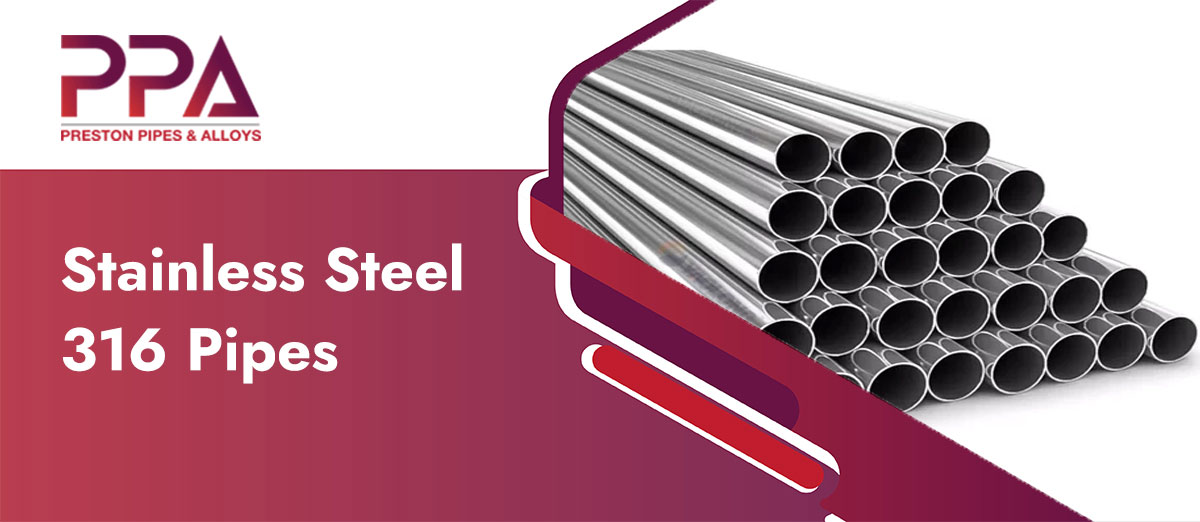
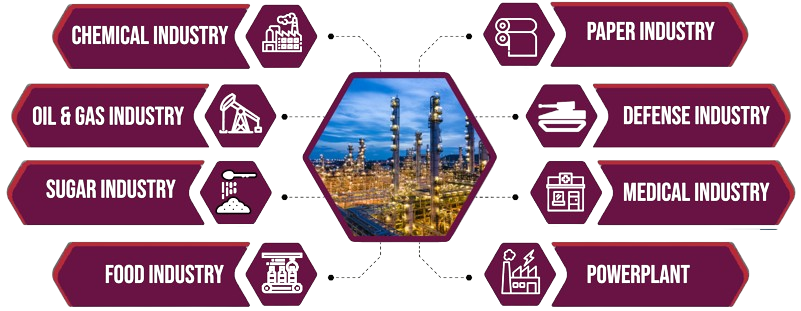
Inside operating factories, these pipes run through chemical transfer lines, marine piping layouts, food process plants, and pharmaceutical units where cleanliness and corrosion resistance must both stay reliable while production keeps running for long hours. Plants depend on this grade heavily. When heated chemicals, treated water, or cleaning fluids keep flowing through lines for extended shifts, the pipe wall holds strength and the inside surface stays process safe.
Supply normally covers many outside diameter ranges and wall thickness options depending on pressure class and system layout, and custom production is often required when final project drawings change late or when older plant piping is being replaced and space becomes tight. Custom supply happens often. Some projects need special cut lengths or tighter bend control when installation teams work inside already crowded pipe racks and structural frames.
Manufacturing usually involves hot forming followed by controlled finishing, and then solution annealing is carried out so internal stress drops while corrosion resistance improves for long term plant service under changing operating temperatures. Heat treatment changes pipe behaviour a lot. When systems move between shutdown cooling and full production heat load, properly processed pipes hold structure better instead of slowly weakening across service cycles.
Quality testing is done through chemical verification, strength testing, and surface inspection using ultrasonic scanning and visual checks so supplied pipes match order specification and client project approval before dispatch. Quality checks must stay strict. Some buyers also request third party inspection when pipes are planned for critical plant sections where downtime can affect full production blocks and maintenance cost planning.
During shipping, pipes are packed using wooden pallets, protective wrapping, or export boxing depending on shipment route risk and handling conditions during loading, port transfer, and inland movement through different climate zones. Transit protection is extremely important. Proper packing helps reduce moisture exposure, surface dents, and contamination during long transport cycles where handling frequency stays high.
From a buying point of view, project teams often track SS 316 pipe pricing trends next to sheet and plate cost movement when planning bulk procurement budgets, especially across Mumbai industrial supply markets where project demand can shift suddenly. Cost planning directly affects purchase timing. When correct material is selected early during plant design stages, lifecycle cost stays controlled and maintenance planning stays more predictable over time.
Stainless Steel 316 pipes remain a trusted industrial piping material where corrosion resistance, mechanical strength, and long service life must all stay balanced inside real operating plant environments.
| Specifications | ASTM A 312 ASME SA 312 / ASTM A 358 ASME SA 358 |
| Dimensions | ASTM, ASME and API |
| SS 316 – 316L Pipes | 1/2″ NB – 16″ NB |
| ERW 316 – 316L Pipes | 1/2″ NB – 24″ NB |
| EFW 316 – 316L Pipes | 6″ NB – 100″ NB |
| Size | 1/8″NB TO 30″NB IN |
| Specialized in | Large Diameter Size |
| Schedule | SCH20, SCH30, SCH40, STD, SCH80, XS, SCH60, SCH80, SCH120, SCH140, SCH160, XXS |
| Type | Seamless / ERW / Welded / Fabricated / LSAW Pipes |
| Form | Round, Square, Rectangular, Hydraulic Etc |
| Length | Single Random, Double Random & Cut Length. |
| End | Plain End, Beveled End, Treaded |
SS 316 Pipe Price Per Kg
| Price List | ||
| Size | Schedule | Price in USD $ |
| 8″ | SCH40S | USD $ 468.15 |
| 5″ | USD $ 235.97 | |
| 1″ | USD $ 28.18 | |
| 4″ | USD $ 169.49 | |
| 2-1/2″ | USD $ 89.58 | |
| 3″ | USD $ 116.65 | |
| 6″ | USD $ 301.56 | |
| 2″ | USD $ 57.42 | |
316 Stainless Steel Pipe Dimension Chart
| Nominal Bore | Outside Diameter | Sch-5S | Rates (Price) | Sch-10S | Rates (Price) | Sch-40S | Rates (Price) | ||||
| mm | INCH | mm | Wt mm | Weight (Kg/mt) | Rs/Kg | Wt mm | Weight (Kg/mt) | Rs/Kg | Wt mm | Weight (Kg/mt) | Rs/Kg |
| 3 | 1/8 | 10.3 | 1.24 | 0.276 | 288.90 | 1.24 | 0.28 | 321.00 | 1.73 | 0.37 | 343.47 |
| 6 | 1/4 | 13.7 | 1.24 | 0.390 | 288.90 | 1.65 | 0.49 | 321.00 | 2.24 | 0.631 | 343.47 |
| 10 | 3/8 | 17.1 | 1.24 | 0.490 | 278.20 | 1.65 | 0.63 | 267.50 | 2.31 | 0.845 | 286.23 |
| 15 | 1/2 | 21.3 | 1.65 | 0.800 | 262.15 | 2.11 | 1.00 | 283.55 | 2.77 | 1.27 | 303.40 |
| 20 | 3/4 | 26.7 | 1.65 | 1.03 | 256.80 | 2.11 | 1.28 | 278.20 | 2.87 | 1.68 | 297.67 |
| 25 | 1 | 33.4 | 1.65 | 1.30 | 256.80 | 2.77 | 2.09 | 278.20 | 3.38 | 2.50 | 297.67 |
| 32 | 1 1/4 | 42.2 | 1.65 | 1.65 | 267.50 | 2.77 | 2.70 | 278.20 | 3.56 | 3.38 | 297.67 |
| 40 | 1 1/2 | 48.3 | 1.65 | 1.91 | 267.50 | 2.77 | 3.11 | 278.20 | 3.68 | 4.05 | 297.67 |
| 50 | 2 | 60.3 | 1.65 | 2.40 | 267.50 | 2.77 | 3.93 | 278.20 | 3.91 | 5.44 | 297.67 |
| 65 | 2 1/2 | 73.0 | 2.11 | 3.69 | 267.50 | 3.05 | 5.26 | 278.20 | 5.16 | 8.63 | 297.67 |
| 80 | 3 | 88.9 | 2.11 | 4.51 | 267.50 | 3.05 | 6.45 | 278.20 | 5.49 | 11.30 | 297.67 |
| 100 | 4 | 114.3 | 2.11 | 5.84 | 267.50 | 3.05 | 8.36 | 278.20 | 6.02 | 16.07 | 297.67 |
| 125 | 5 | 141.3 | 2.77 | 9.47 | 278.20 | 3.40 | 11.57 | 283.55 | 6.55 | 21.8 | 303.40 |
| 150 | 6 | 168.3 | 2.77 | 11.32 | 278.20 | 3.40 | 13.84 | 283.55 | 7.11 | 28.3 | 303.40 |
| 200 | 8 | 219.1 | 2.77 | 14.79 | 288.90 | 3.76 | 19.96 | 288.90 | 8.18 | 42.6 | 309.12 |
| 250 | 10 | 273.1 | 3.40 | 22.63 | 294.25 | 4.19 | 27.78 | 299.60 | 9.27 | 60.5 | 320.57 |
| 300 | 12 | 323.9 | 3.96 | 31.25 | 299.60 | 4.57 | 36.00 | 299.60 | 9.52 | 73.88 | 320.57 |
| 350 | 14 | 355.6 | 3.96 | 34.36 | 4.78 | 41.3 | 299.60 | 11.13 | 94.59 | 320.6 | |
| 400 | 16 | 406.4 | 4.19 | 41.56 | 4.78 | 47.29 | 299.60 | 12.7 | 123.30 | 320.57 | |
| 450 | 18 | 457.2 | 4.19 | 46.80 | 4.78 | 53.42 | 299.60 | 14.27 | 155.80 | 320.57 | |
| 500 | 20 | 508.0 | 4.78 | 59.25 | 5.54 | 68.71 | 299.60 | 15.09 | 183.42 | 320.57 | |
| 600 | 24 | 609.6 | 5.54 | 82.47 | 6.35 | 94.45 | 299.60 | 17.48 | 255.41 | 320.57 | |
| MM | INCH | SCH 5 | SCH 10 | SCH 40 |
| 15 | 1/2″ | 230 | 297 | 371 |
| 20 | 3/4″ | 302 | 374 | 470 |
| 25 | 1″ | 352 | 555 | 665 |
| 32 | 1.1/4″ | 491 | 738 | 866 |
| 40 | 1.1/2″ | 542 | 851 | 1050 |
| 50 | 2″ | 680 | 1071 | 1450 |
| 65 | 2.1/2″ | 995 | 1547 | 2451 |
| 80 | 3″ | 1153 | 1875 | 3110 |
| 100 | 4″ | 1490 | 2390 | 4150 |
| 125 | 5″ | 2750 | 3298 | 5980 |
| 150 | 6″ | 3110 | 4081 | 7439 |
| 200 | 8″ | 4496 | 5805 | 11520 |
| 250 | 10″ | 6800 | 8495 | 16196 |
| 300 | 12″ | 9041 | 10473 | 20410 |
| 350 | 14″ | 10940 | 14960 | 23910 |
| 400 | 16″ | 12002 | 18310 | 31101 |
| 450 | 18″ | 13802 | 20682 | 38745 |
| No.4 | 2B |
| Cold Drawn | 180 grit polished |
| 600 grit | Mirror |
| BA polishing | Bright Annealed |
| 400 grit | 320 grit |
| Matt finish | Hairline |
| Solution annealed | Annealed & Pickled |
| Nominal Size | Wall Thickness | Weight | Weight | OD | ||
| in | mm | kg/Mtr | Lb/ft | in | mm | |
| 1 1/2″ | 0.145 | 3.683 | 4.048 | 2.718 | 1.900 | 48 |
| 30″ | 0.250 | 6.350 | 118.318 | 79.433 | 30.000 | 762 |
| 2″ | 0.154 | 3.912 | 5.441 | 3.653 | 2.375 | 60 |
| 14″ | 0.188 | 4.775 | 41.308 | 27.732 | 14.000 | 356 |
| 2 1/2″ | 0.203 | 5.516 | 8.629 | 5.793 | 2.875 | 73 |
| 4″ | 0.237 | 6.020 | 16.073 | 10.790 | 4.500 | 114 |
| 12″ | 0.188 | 4.775 | 37.570 | 25.222 | 12.750 | 324 |
| 6″ | 0.188 | 4.775 | 19.252 | 12.924 | 6.625 | 168 |
| 48″ | 0.375 | 9.525 | 284.112 | 190.738 | 48.000 | 1219 |
| 8″ | 0.188 | 4.775 | 25.233 | 16.940 | 8.625 | 219 |
| 42″ | 0.312 | 7.925 | 206.914 | 138.911 | 42.000 | 1067 |
| 3″ | 0.216 | 5.486 | 11.284 | 7.576 | 3.500 | 89 |
| 24″ | 0.250 | 6.350 | 94.456 | 63.413 | 24.000 | 610 |
| 1/2″ | 0.109 | 2.769 | 1.268 | 0.851 | 0.840 | 21 |
| 18″ | 0.219 | 5.563 | 61.948 | 41.588 | 18.000 | 457 |
| 3/4″ | 0.113 | 2.870 | 1.684 | 1.131 | 1.050 | 27 |
| 20″ | 0.250 | 6.350 | 78.547 | 52.733 | 20.000 | 508 |
| 1″ | 0.133 | 3.378 | 2.501 | 1.679 | 1.315 | 33 |
| 36″ | 0.250 | 6.350 | 142.180 | 95.453 | 36.000 | 914 |
| 1 1/4″ | 0.140 | 3.556 | 3.385 | 2.273 | 1.660 | 42 |
| 16” | 0.188 | 4.775 | 47.290 | 21.748 | 16.000 | 406 |
| 10″ | 0.188 | 4.775 | 31.588 | 21.207 | 10.750 | 273 |
| Stainless Steel 316 Pipes OD | ASTM A312 TP316 Pipes Tolerance |
| 4 to 35mm | +/- 0.08mm |
| 35 to 38mm | +/- 0.15mm |
| 38 to 60mm | +/- 0.20mm |
| 60 and above | +/- 0.25mm |

Stainless Steel 316 Seamless Pipe

SS 316 Welded Pipe
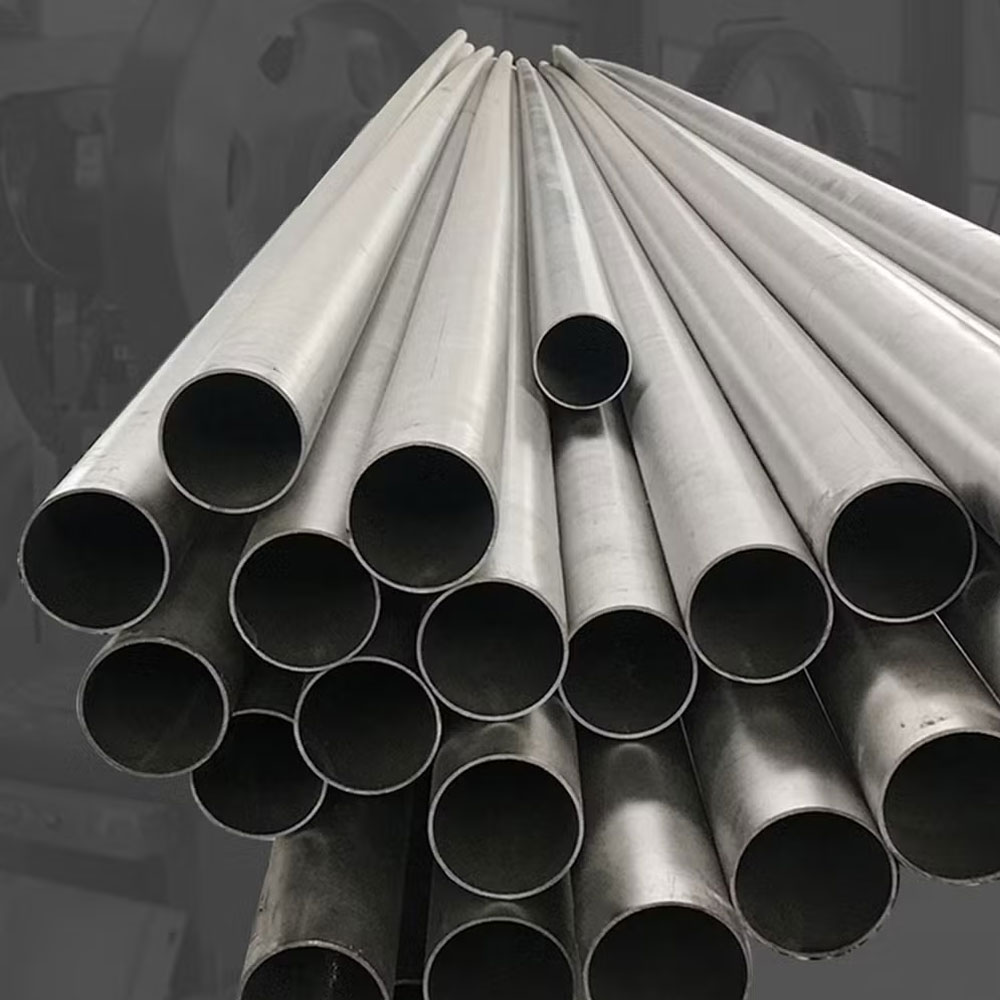
UNS S31600 ERW Pipe

SUS 316 Round Pipe
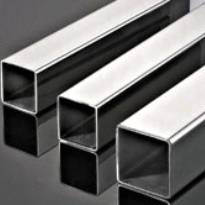
AISI 316 Square Pipe
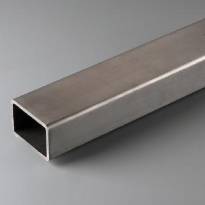
INOX 316 Rectangular Pipe
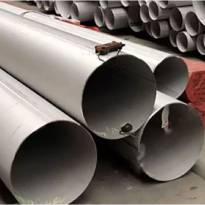
UNS S31600 EFW Pipe
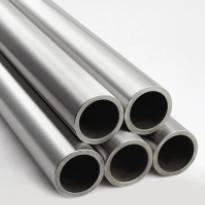
SUS 316 Polished Pipe
Leading Stainless Steel 316L Pipe Suppliers in Mumbai, Delivering Durable, Corrosion-resistant Pipes for Wide Industrial Needs
Contact Preston Pipes and Alloys for Best Offer & Competitive Quotation of SUS 316 Round Pipe
| Testing Method | Type |
| Hardness Testing | DT |
| Tensile Testing | |
| Impact Testing | |
| Metallographic Examination | |
| Flaw Detection via Sectioning | |
| Ultrasonic Testing (UT) | NDT |
| Radiographic Testing (RT) | |
| Visual Inspection (VT) | |
| Eddy Current Testing (ET) | |
| Magnetic Particle Testing (MPT) |
| Material | Temperature | Heat | Tensile Strength | Yield Strength | Elongation %, Min |
| Min. | Treatment | Ksi (MPa), Min. | Ksi (MPa), Min. | ||
| º F(º C) | |||||
| TP316 | 1900 (1040) | Solution | 75(515) | 30(205) | 35 |
| SSL 316 PIPE | C | Si | S | P | Ni | Cr | Mn |
| TP316 | 0.08 | 1 | 0.03 | 0.045 | 8.0-11.0 | 18.0-20.0 | 2 |
| Property | 316 Stainless Steel Pipe |
| Density | 8.00 g/cm³ |
| Electrical Resistivity | 0.72 µΩ·m |
| Coefficient of Thermal Expansion | 16.0 µm/m·K |
| Melting Point | 1375 to 1400°C (2500 to 2550°F) |
| Specific Heat | 500 J/kg·K at 25°C |
| Poisson’s Ratio | 0.3 |
| Thermal Conductivity | 16.3 W/m·K at 100°C |
| Modulus of Elasticity | 193 GPa |
These pipes contain molybdenum. This extra ingredient stops salt and chloride from eating through the metal. It prevents the tiny holes and rust that ruin other types of steel in sea air.
Molybdenum makes the steel much tougher against chemical attacks. It allows the pipes to work safely in acidic or salty settings. This helps the pipes last longer without leaking or breaking down.
The food, chemical, and medicine industries use these pipes most often. They are also popular for oil rigs, boat building, and water treatment plants. Any business dealing with harsh liquids needs them.
Both look similar, but 316 is much better at fighting rust. SS 304 can fail when exposed to salt or heavy chemicals. SS 316 stays strong and clean in those same conditions.
Suppliers usually follow ASTM A312 or ASME SA312 standards. These rules ensure the pipes have the right thickness and chemical mix. Most pipes also come with Mill Test Certificates for proof of quality.